Stainless steels
- 316
- 316L
- 304
- 304L
- 410
- 430
- 431
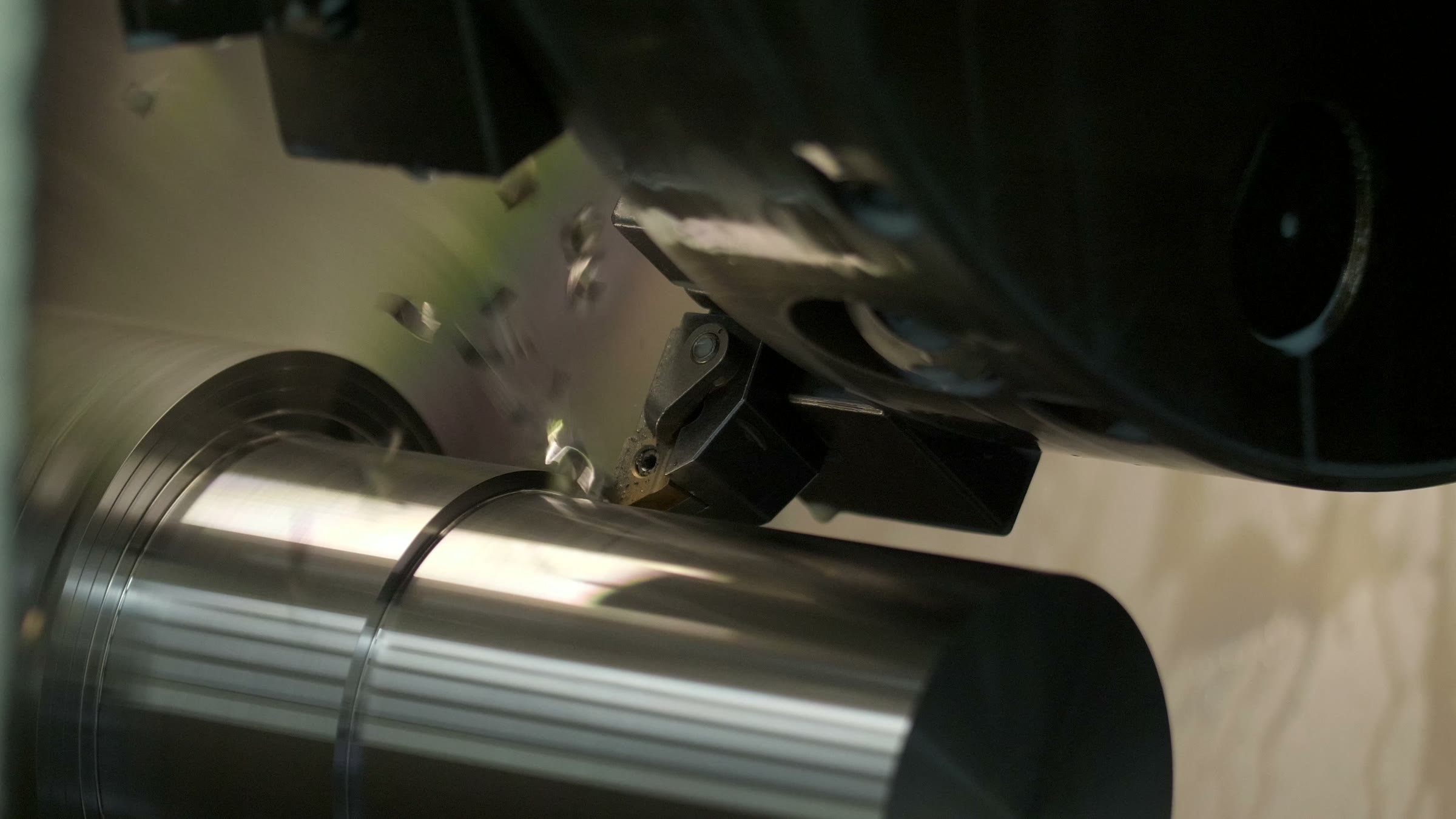
Capabilities / Manufacturing system
01 / 03Machines establish an envelope. Geometry, material condition, setup access, coordinated processes, and inspection determine whether that envelope becomes a controlled manufacturing route.
The complete review
Capacity is useful when it is read with the complete requirement. The register below supports initial screening; the released drawing and quoted scope remain the manufacturing basis.
01 Working envelopes
These are stated machine-register values, not universal part promises. Workholding, geometry, material, handling, and inspection access still determine feasibility.
02 Machine and tool register
Draft register · pending client approval. Equipment is grouped by the operation it supports. A dash marks a quantity illegible in source or a capacity that is not stated.
| Machine | Qty | Stated capacity |
|---|---|---|
| Vertical machining centre | 4 | 1270 × 660 × 635 mm |
| CNC turning | 6 | Ø800 mm × 700 mm |
| Conventional lathe | 5 | 12 in centre height · 7 ft bed |
| Machine | Qty | Stated capacity |
|---|---|---|
| Radial drilling machine | 1 | Ø50 mm × 525 mm depth |
| Drilling machine | 5 | Not stated |
| Machine | Qty | Stated capacity |
|---|---|---|
| Automatic band saw | 1 | Ø300 mm cutting |
| CNC band saw | — | Not stated |
| Machine | Qty | Stated capacity |
|---|---|---|
| Hydraulic press | 1 | 1000 ton |
| Roll thread machine | 1 | Not stated |
| Bench grinder | 1 | Not stated |
| Drill bit grinder | 1 | Not stated |
| Machine | Qty | Stated capacity |
|---|---|---|
| Dot pin marking machine | 1 | Not stated |
| Laser marking machine | — | Not stated |
| Machine | Qty | Stated capacity |
|---|---|---|
| Overhead crane | 2 | 5 ton · 10 ton |
| Forklift | 2 | 2.5 ton |
The supplied register lists these as coordinated processes. No provider location or delivery model is implied.
04 Material register
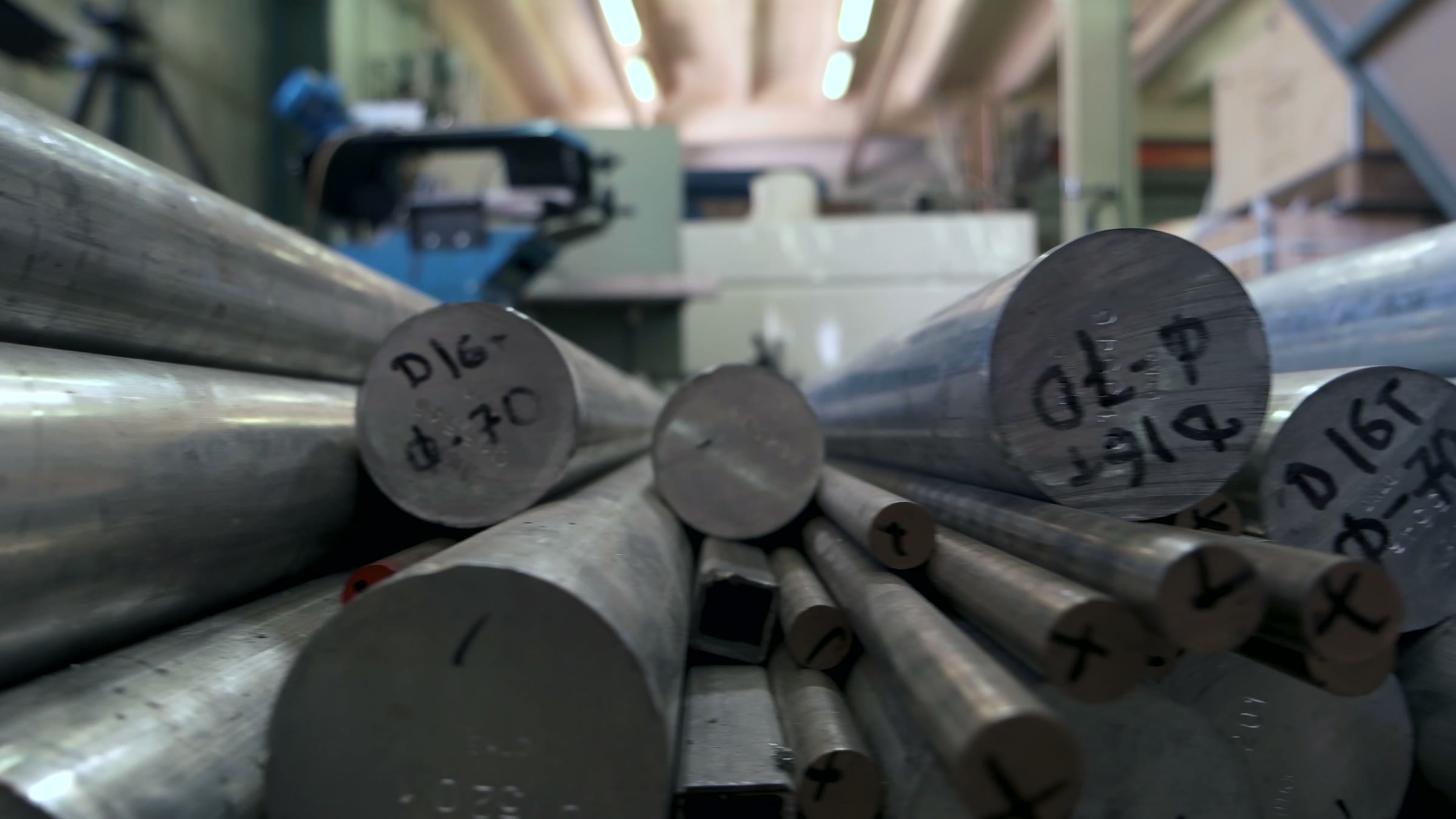
The register supports early discussion by material group. It does not assign a material to any photographed or listed component.
05 Inspection resources
Instrument availability supports planning. Job-specific characteristics, methods, acceptance, and required records are confirmed with the quoted scope.
06 Technical questions
The stated CNC capacity is up to Ø800 mm diameter × 700 mm. Conventional lathes are listed at 12 in centre height with a 7 ft bed. Part feasibility still depends on geometry, workholding, material, and inspection access.
Stated vertical machining centre travels are 1270 × 660 × 635 mm. The material-handling register lists 5 ton and 10 ton overhead cranes. Discuss the current requirement for part-specific feasibility.
Bring the current drawing revision and applicable specifications. Feasibility, acceptance characteristics, inspection methods, and required records are confirmed for the quoted scope; no blanket tolerance is published.
The supplied register lists stainless grades 316, 316L, 304, 304L, 410, 430, and 431; alloy and other materials including 4140, 4340, 17-4PH, CK-45, CK-60, cast iron, mild steel, and Inconel; and non-ferrous materials including bronze, copper, aluminium, and lead. Confirm the exact grade, standard, and condition with the RFQ.
The supplied register lists these as coordinated processes. The provider model, applicable procedure, required approvals, and documentation must be confirmed for each process at quotation.
The RFQ accepts PDF, STEP/STP, IGES/IGS, DXF, DWG, and ZIP files. Upload up to five files, 25 MB each and 75 MB combined.
A standard quotation time is not currently published. Timing depends on drawing completeness, material, quantity, coordinated processes, and inspection or documentation requirements.
Technical review
Bring the current revision, material specification, quantity, required date, and acceptance basis.
Discuss a Requirement